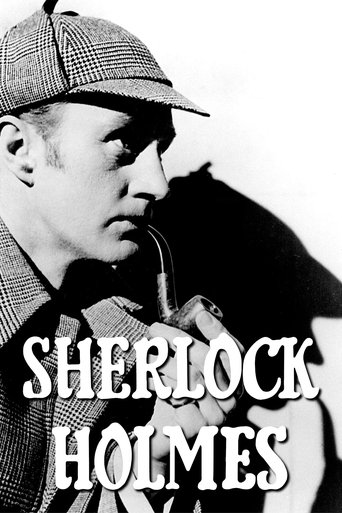
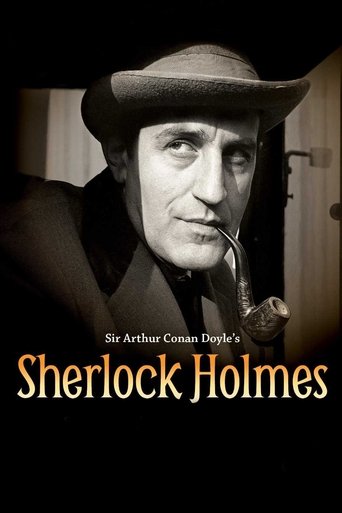
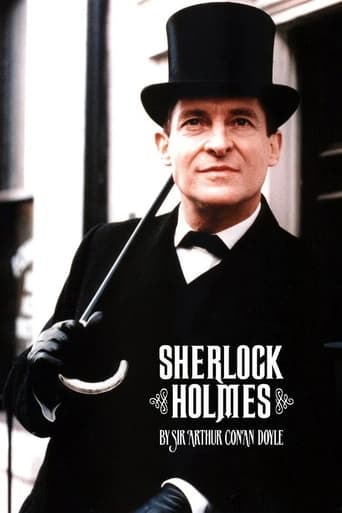
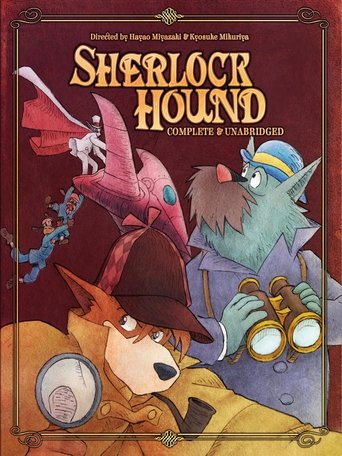
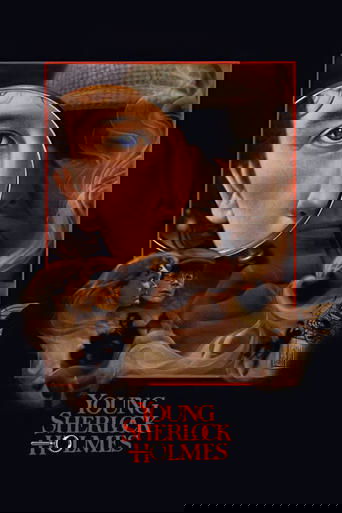
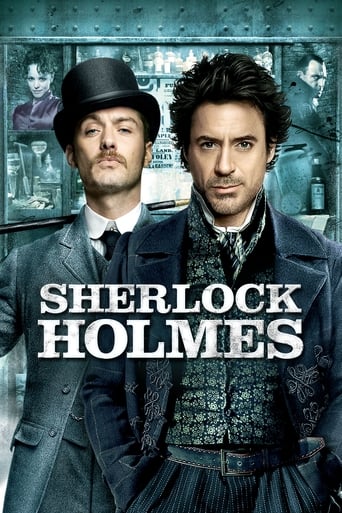
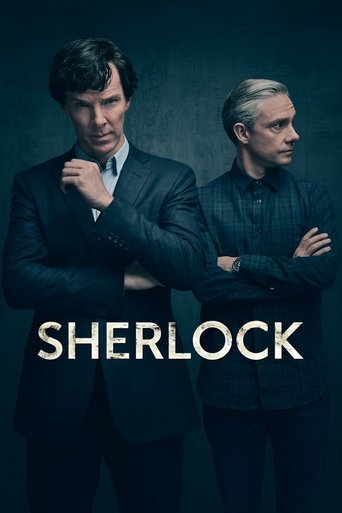
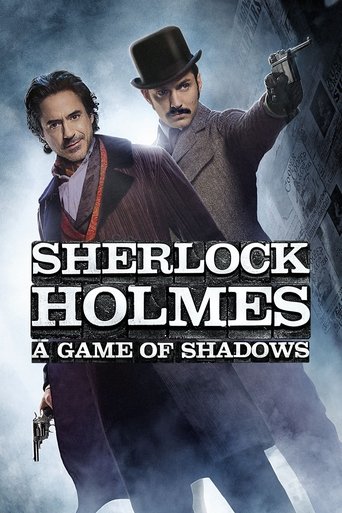
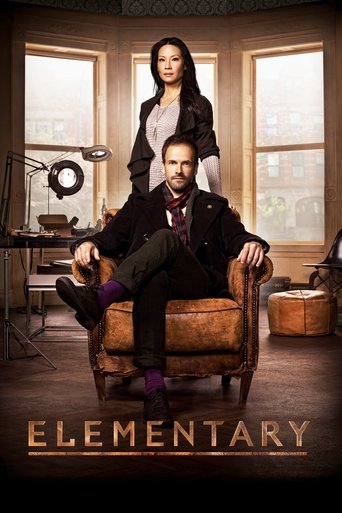
The Sherlock Holmes movies and shows in order span more than seventy years of screen adaptations, ranging from classic television mysteries to modern blockbusters, animated adventures, revisionist dramas, and spin-offs built around characters from Holmes’s world. Because these productions come from many separate continuities rather than one shared canon, the most useful way to approach the franchise is as a curated history of its major English-language interpretations. This guide focuses on the versions a modern viewer is most likely to seek out, including the Ronald Howard series, the BBC and Granada adaptations, Sherlock Hound, Robert Downey Jr.’s films, Sherlock, Elementary, Enola Holmes, Watson, Sherlock & Daughter, and Young Sherlock. The recommended watch order is release order, which lets each new interpretation build on the audience’s familiarity with Holmes, Watson, Moriarty, and the larger mythology without forcing unrelated continuities into a fictional timeline.
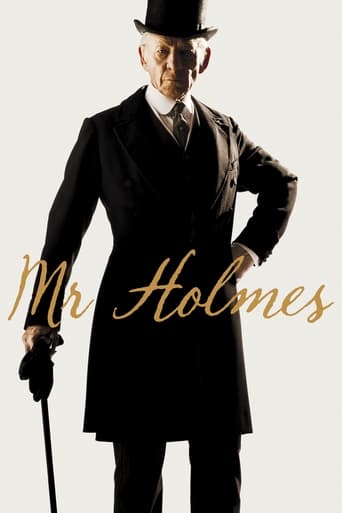
Watching in release order also highlights how dramatically Sherlock Holmes has been reinvented. Earlier television versions emphasize Doyle-inspired detective stories and period atmosphere, while later adaptations experiment with animation, contemporary settings, comedy, alternate protagonists, and younger versions of familiar characters. The two Robert Downey Jr. films form their own connected sequence, as do the Enola Holmes films, while shows such as Sherlock and Elementary independently modernize Holmes for different worlds. Mr. Holmes imagines the detective late in life, The Irregulars shifts attention toward Baker Street’s younger associates, and Watson places the doctor at the center of a modern medical mystery series. Following release order keeps those creative shifts understandable and preserves introductions, reveals, and franchise context as audiences originally encountered them.
Release Order
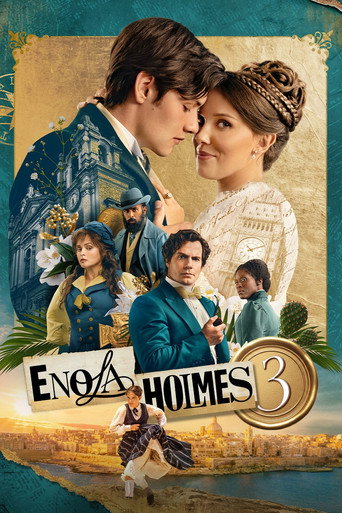
Release order is the best way to experience this Sherlock Holmes watch order because the included movies and series do not belong to one continuous storyline. Moving from the 1950s television adaptation through Granada’s celebrated series, later animated versions, modern films, contemporary reinventions, and newer spin-offs shows how each era reinterpreted Holmes for its audience. It also keeps the connected branches in their intended sequence, including the Robert Downey Jr. films and the Enola Holmes trilogy. For first-time viewers, release order provides the clearest context for recurring characters and ideas while avoiding an artificial timeline between unrelated adaptations.
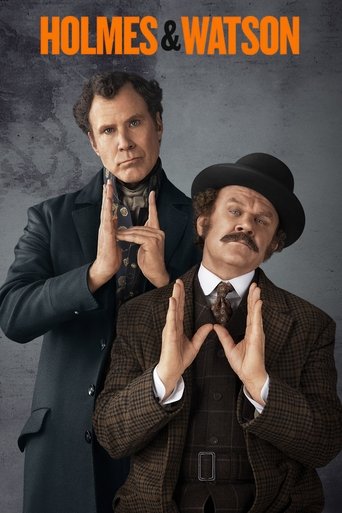
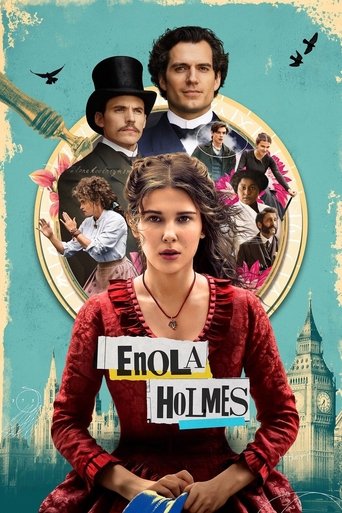
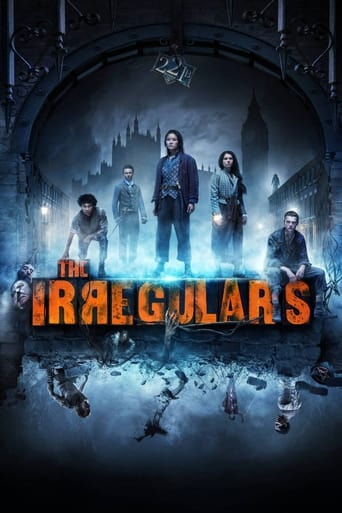
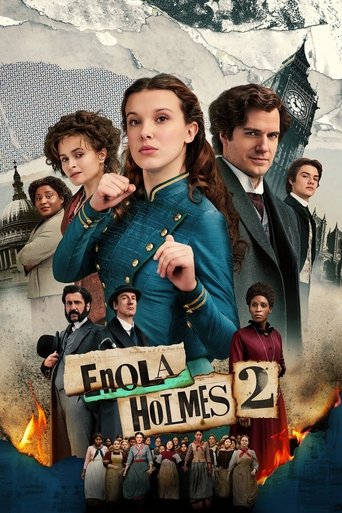
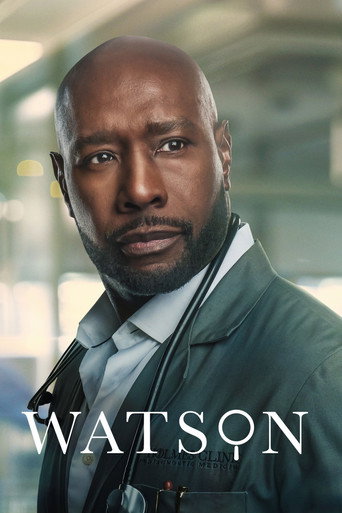
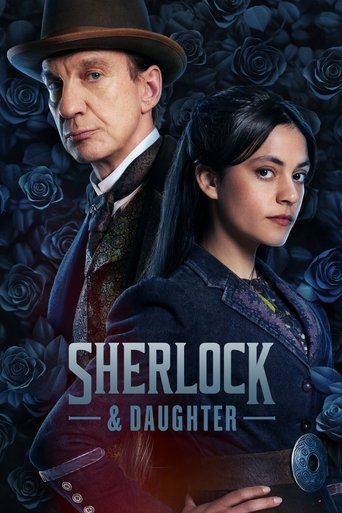
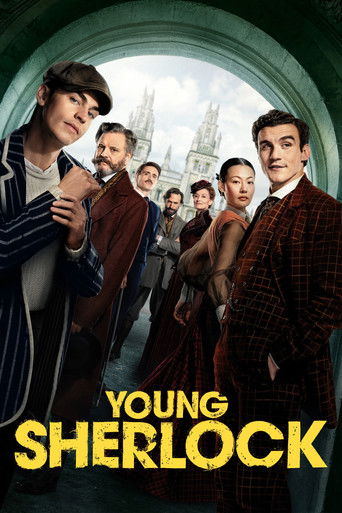
Chronological Order
There is no single chronological order that can accurately combine these Sherlock Holmes movies and shows. Most of the included titles are separate adaptations or alternate continuities, and their versions of Holmes do not share one life story or timeline. Although individual branches have internal chronology—the Robert Downey Jr. films and Enola Holmes films should remain in sequence—placing Young Sherlock, Mr. Holmes, Sherlock, Elementary, and the classic series into one fictional timeline would incorrectly connect unrelated interpretations. For that reason, the practical timeline order is functionally the same as release order, which keeps each continuity intact without implying connections that do not exist.