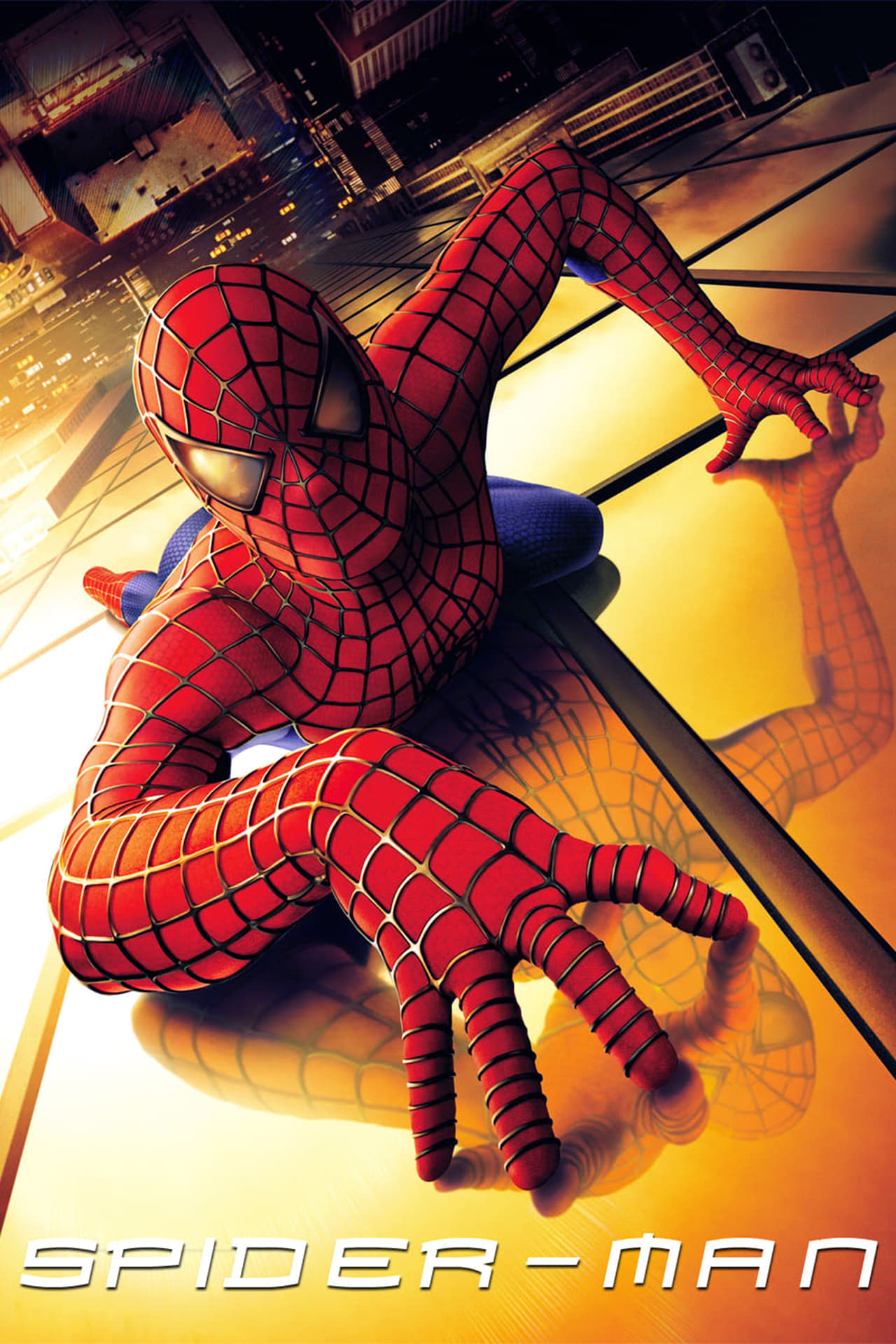
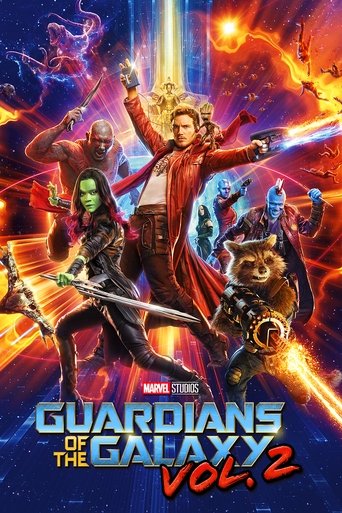
Watching the Marvel movies and shows in order can feel intimidating because the Marvel Cinematic Universe now stretches across dozens of films, streaming series, television seasons, and major specials. For first-time viewers, release order is the recommended watch order because it introduces characters, organizations, Infinity Stones, multiverse concepts, and crossover events in the sequence audiences originally encountered them. The journey begins with Iron Man and gradually expands through the formation of the Avengers, the cosmic Guardians of the Galaxy stories, the street-level Defenders characters, and the enormous events of Infinity War and Endgame. Later projects build directly on those foundations while introducing new heroes, alternate realities, and the next generation of the MCU.
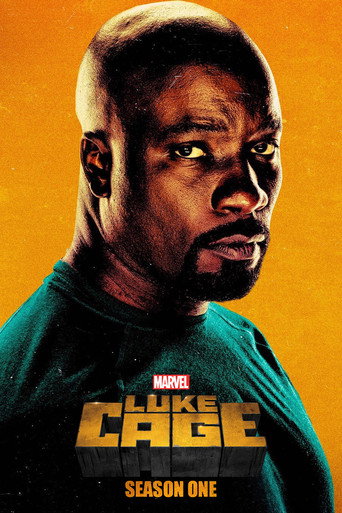
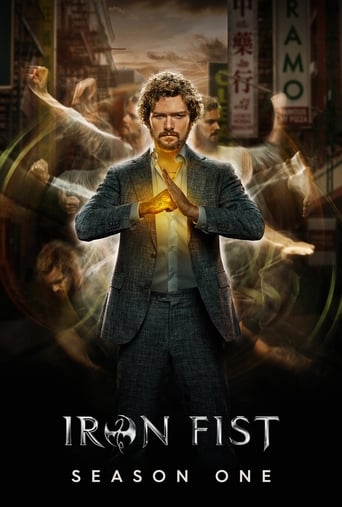
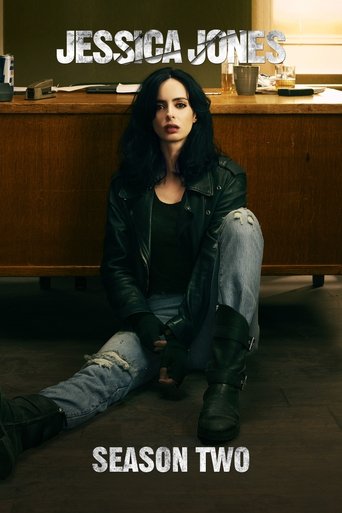
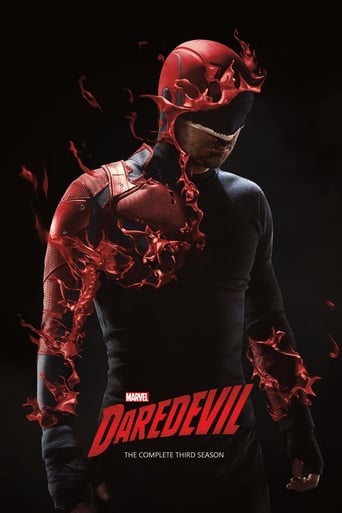
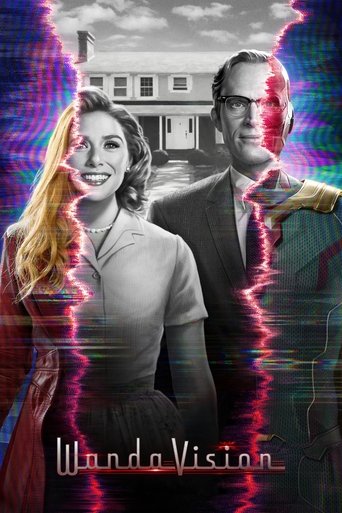
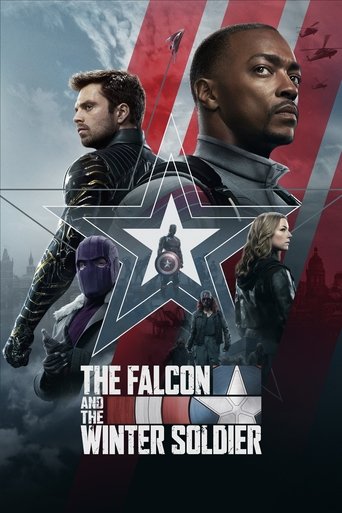
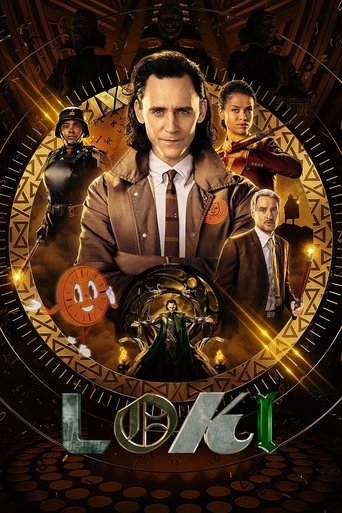
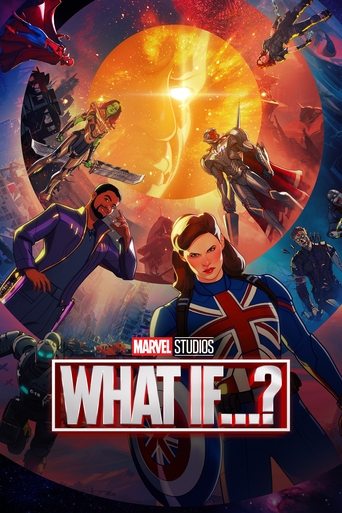
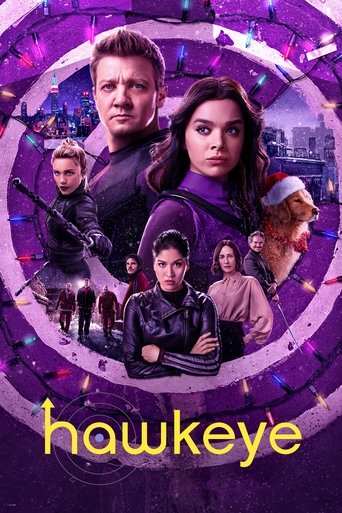
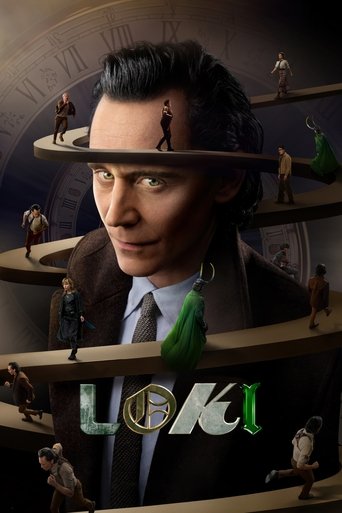
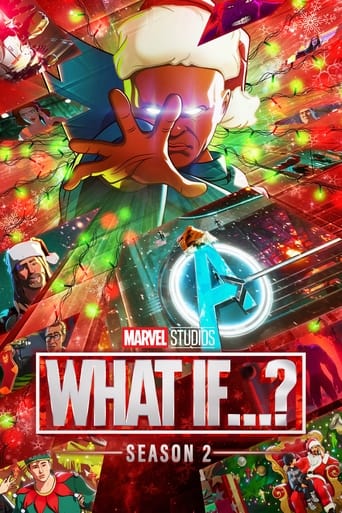
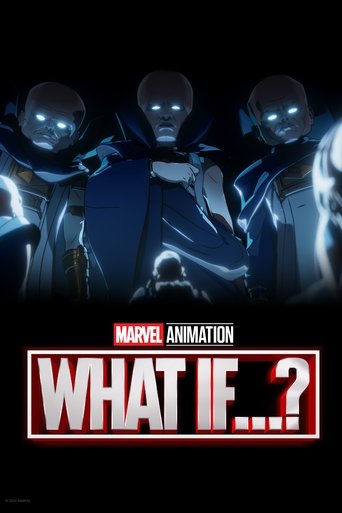
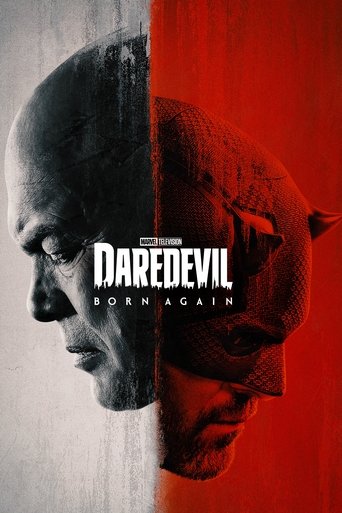
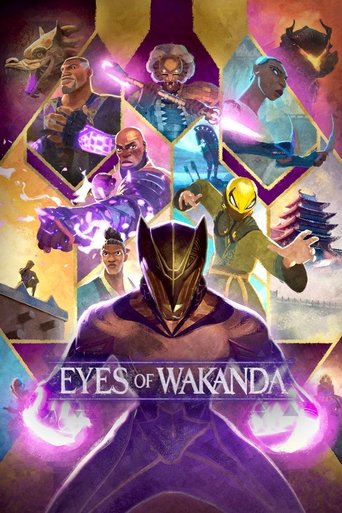
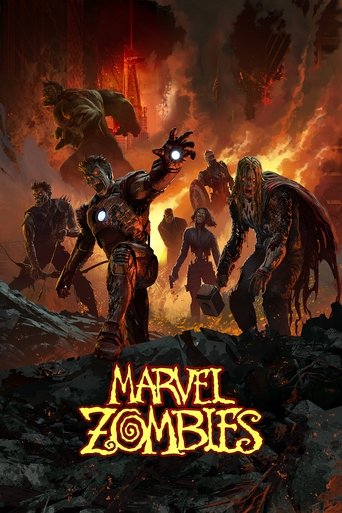
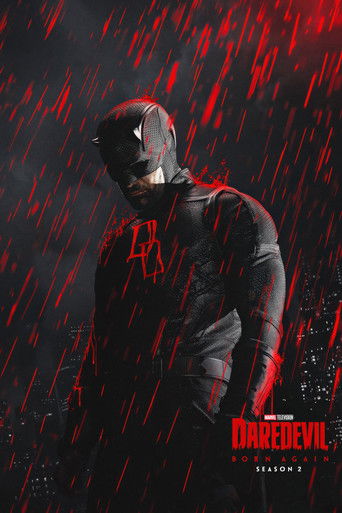
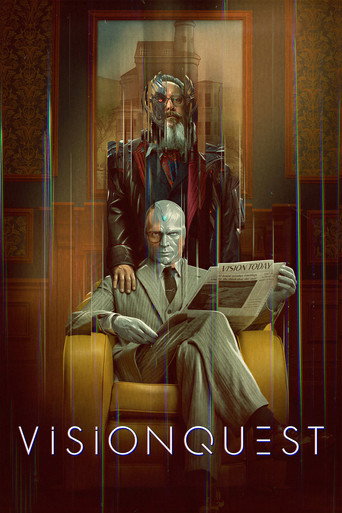
The television side becomes increasingly important after Endgame, with WandaVision, The Falcon and the Winter Soldier, Loki, Hawkeye, Ms. Marvel, Daredevil: Born Again, Ironheart, Wonder Man, and VisionQuest connecting closely with the films. Earlier Daredevil, Jessica Jones, Luke Cage, Iron Fist, The Defenders, and The Punisher stories also feed into the modern street-level continuity. Animated projects such as What If…?, Eyes of Wakanda, and Marvel Zombies are included when they materially belong to the wider MCU and multiverse story, while shorts, behind-the-scenes programs, and unrelated Marvel adaptations are excluded. Chronological order can be useful for repeat viewing, but the increasingly complex multiverse makes release order easier to follow and better at preserving reveals, introductions, and intended crossover payoffs.
Release Order
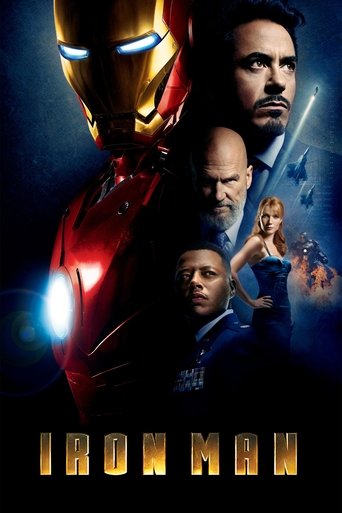
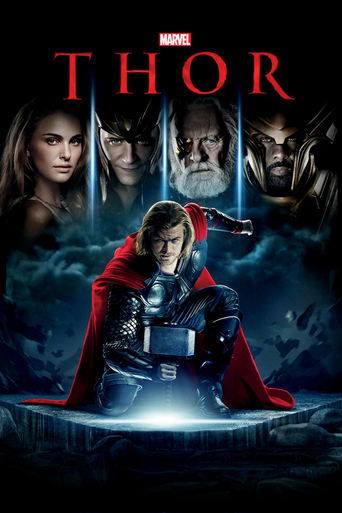
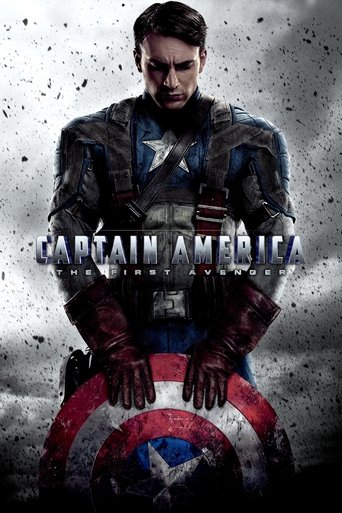
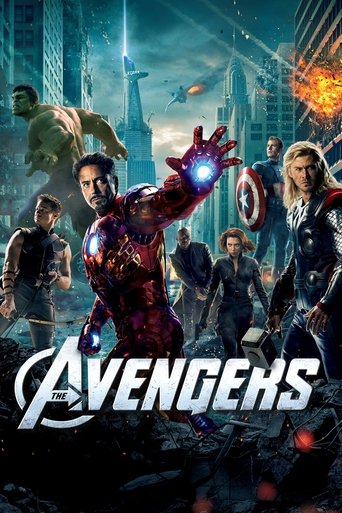
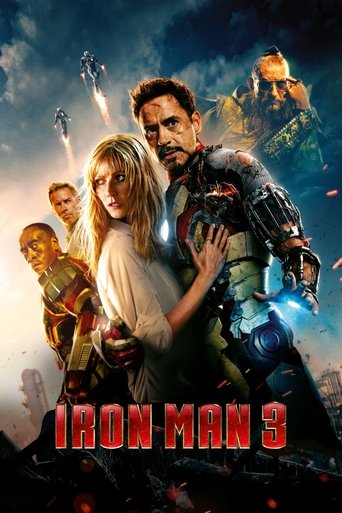
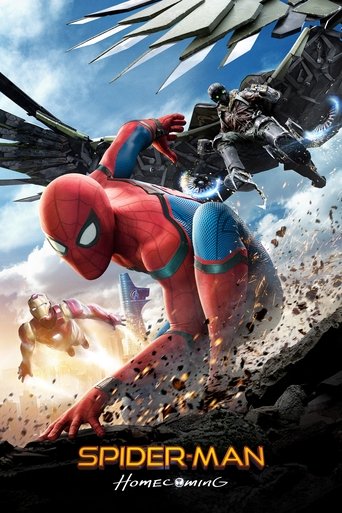
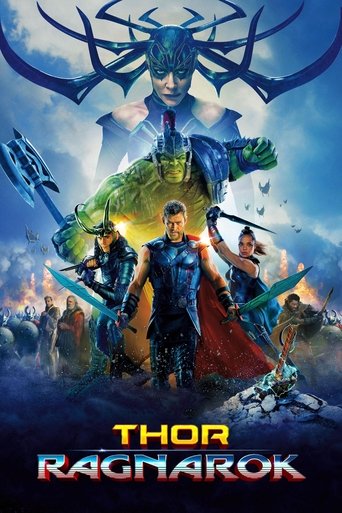
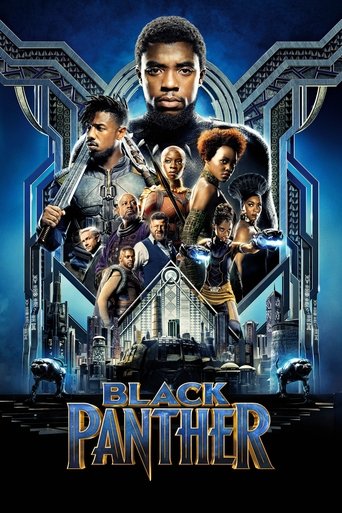
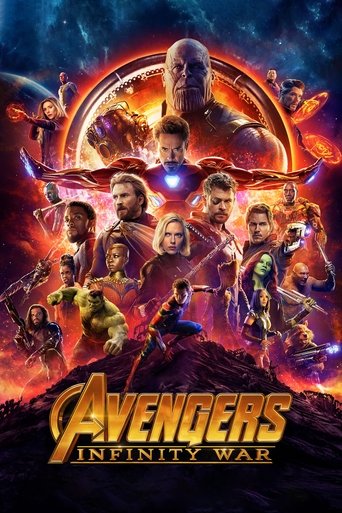
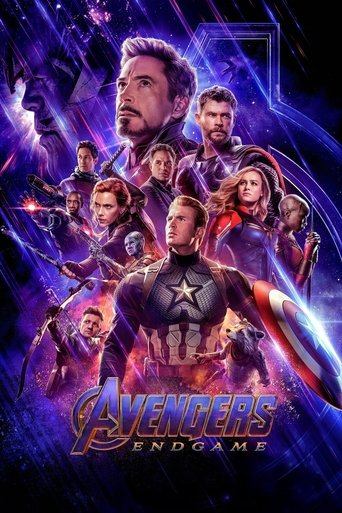
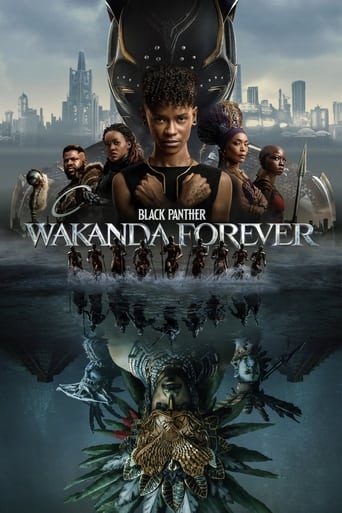
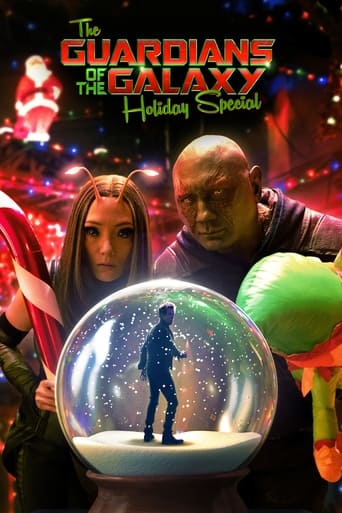
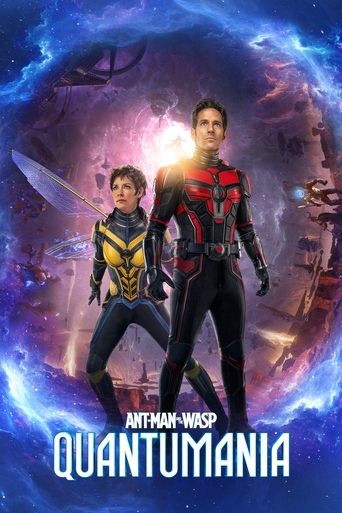
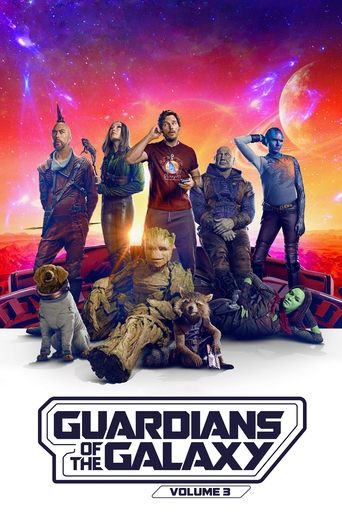
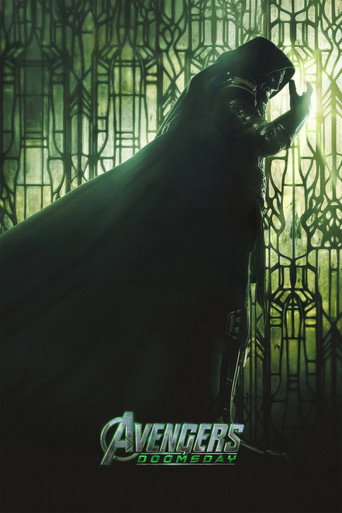
Release order is the best way to experience the Marvel movies and shows because the MCU was designed to expand gradually across interconnected films and television stories. Watching from Iron Man forward preserves character introductions, post-credit reveals, crossover surprises, and the buildup to major events such as The Avengers, Infinity War, Endgame, Doomsday, and Secret Wars. It also introduces newer television stories at the point where their characters and concepts became relevant. For first-time viewers, release order provides the clearest path through the increasingly interconnected Marvel universe without requiring prior knowledge of the fictional timeline.
-
1.
-
2.
-
3.
-
4.
-
5.
-
6.
-
7.
-
8.
-
9.
-
10.
-
11.

-
12.
-
13.
-
14.
-
15.
-
16.
-
17.
-
18.
-
19.
-
20.
-
21.
-
22.

-
23.
-
24.

-
25.
-
26.
-
27.
-
28.
-
29.
-
30.
-
31.
-
32.

-
33.
-
34.
-
35.

-
36.
-
37.
-
38.
-
39.
-
40.
-
41.
-
42.

-
43.
-
44.
-
45.
-
46.
-
47.
-
48.
-
49.
-
50.

-
51.

-
52.
-
53.
-
54.
-
55.
-
56.

-
57.
-
58.
-
59.
-
60.
-
61.
-
62.
-
63.
-
64.
-
65.
-
66.
-
67.

-
68.
-
69.
-
70.
-
71.

-
72.
-
73.

-
74.
-
75.
-
76.
-
77.

-
78.
-
79.
Chronological Order
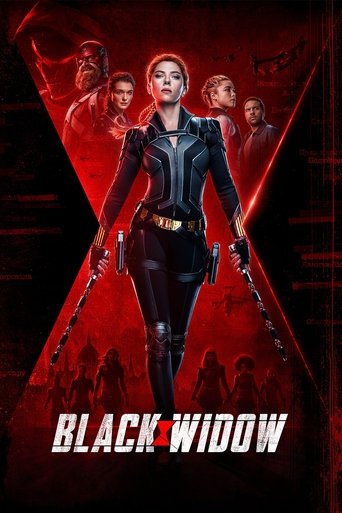
The chronological Marvel watch order moves several projects away from their release positions, beginning with Eyes of Wakanda and Captain America: The First Avenger before reaching the modern MCU. Later, the Defenders seasons, Black Widow, Loki, What If…?, Marvel Zombies, and other stories are repositioned according to Marvel’s established timeline. Multiverse projects and upcoming installments make the final portion less exact because some stories occur in alternate realities or do not yet have confirmed timeline placements. The order below follows the established MCU chronology where available and places newer unreleased projects after it in their announced release sequence.
-
1.
-
2.
-
3.
-
4.
-
5.
-
6.
-
7.
-
8.
-
9.
-
10.
-
11.
-
12.
-
13.
-
14.
-
15.
-
16.
-
17.
-
18.
-
19.
-
20.
-
21.
-
22.
-
23.
-
24.
-
25.
-
26.
-
27.
-
28.
-
29.
-
30.
-
31.
-
32.
-
33.
-
34.
-
35.
-
36.
-
37.
-
38.
-
39.
-
40.
-
41.
-
42.
-
43.
-
44.
-
45.
-
46.
-
47.
-
48.
-
49.
-
50.
-
51.
-
52.
-
53.
-
54.
-
55.
-
56.
-
57.
-
58.
-
59.
-
60.
-
61.
-
62.
-
63.
-
64.
-
65.
-
66.
-
67.
-
68.
-
69.
-
70.
-
71.
-
72.
-
73.
-
74.
-
75.
-
76.
-
77.
-
78.
-
79.