
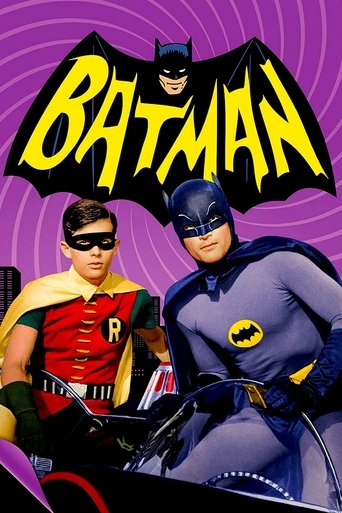
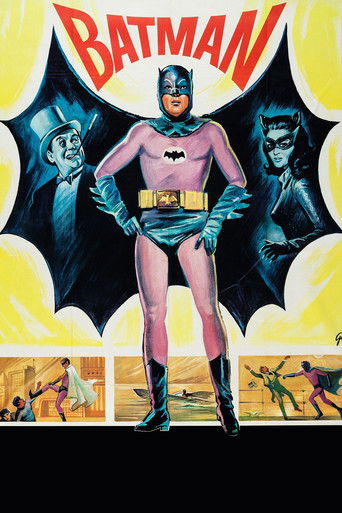
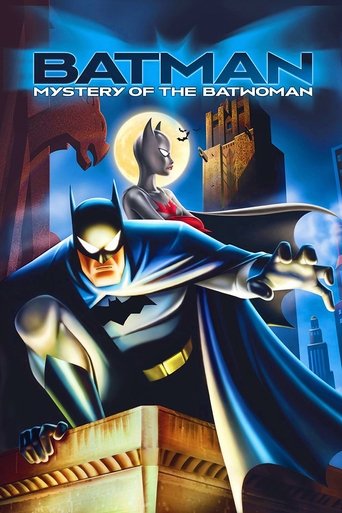
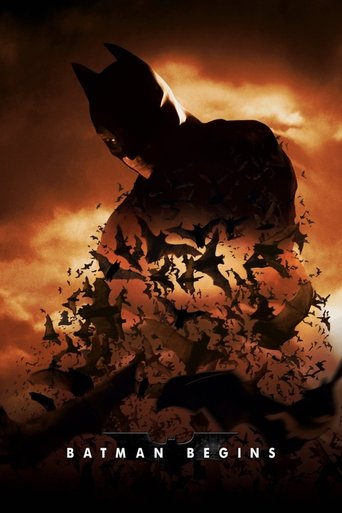
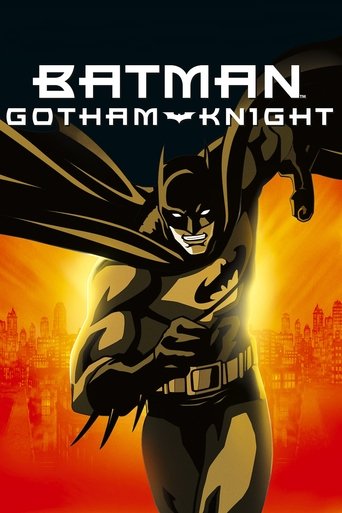
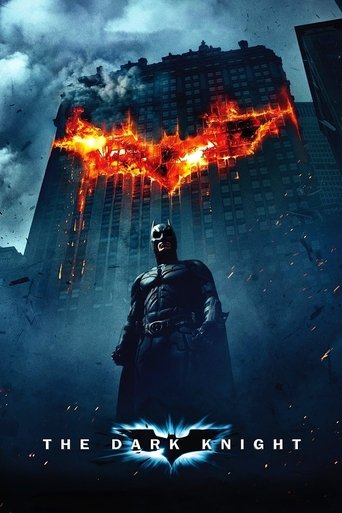
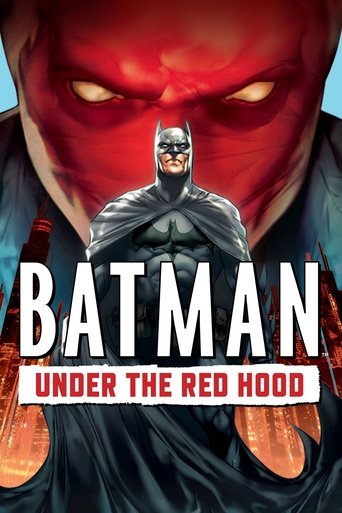
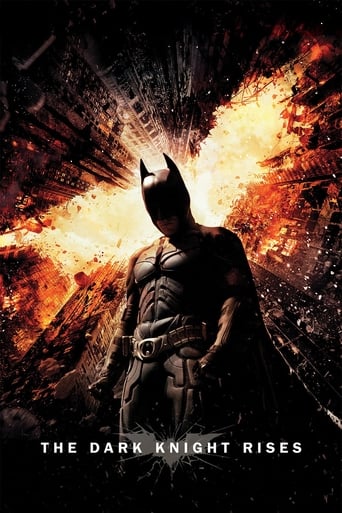
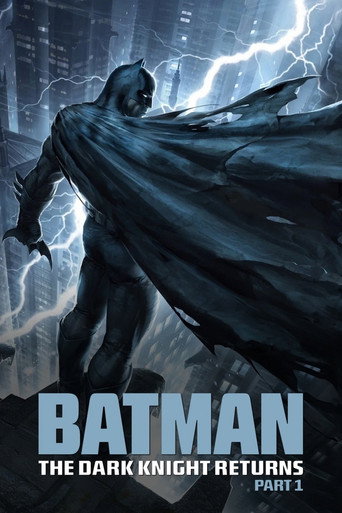
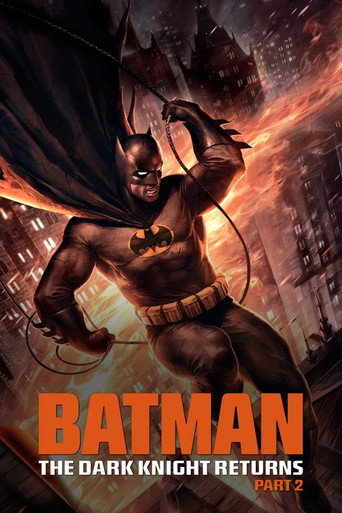
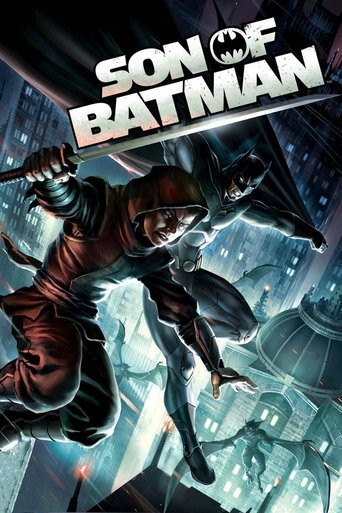
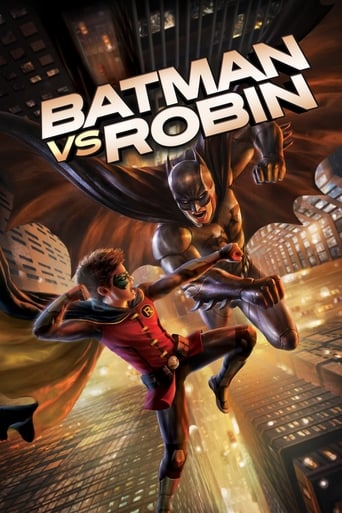
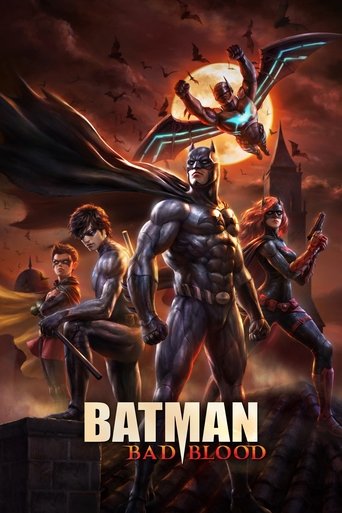
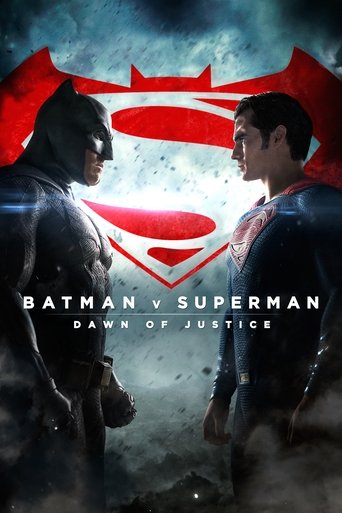
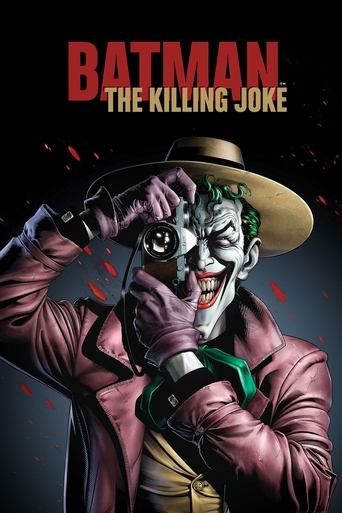
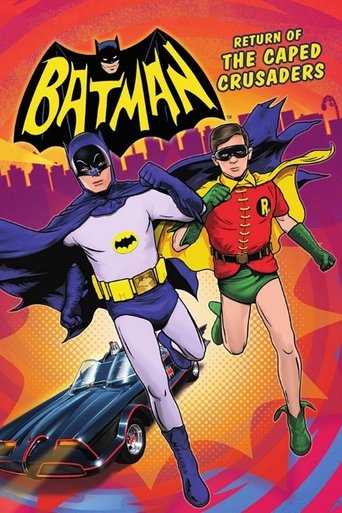
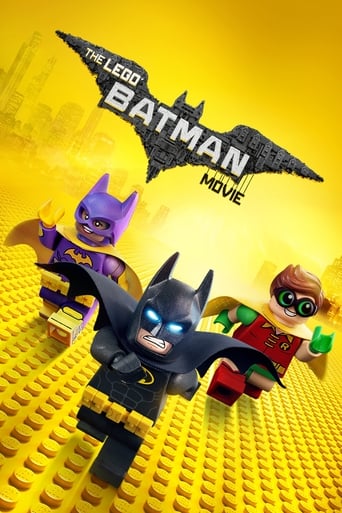
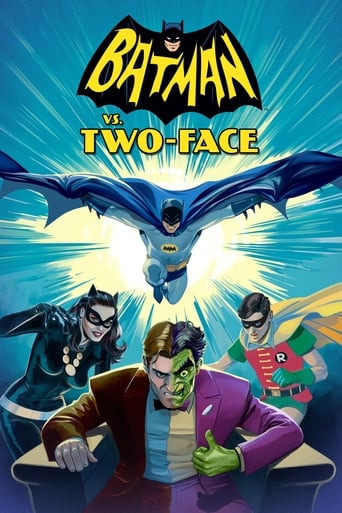
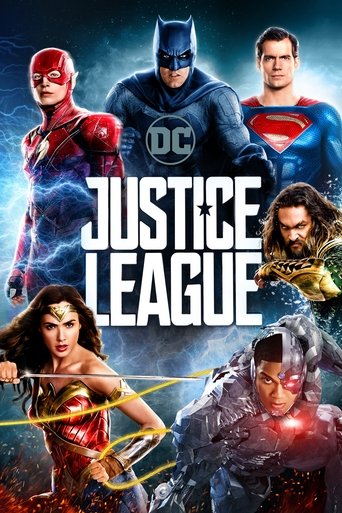
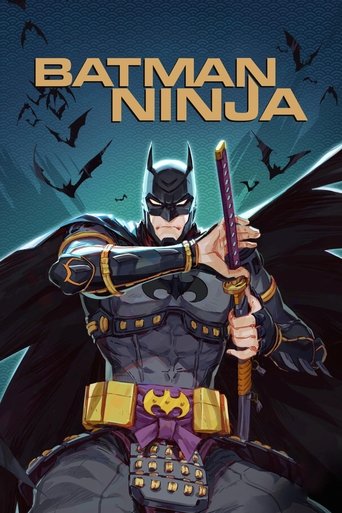
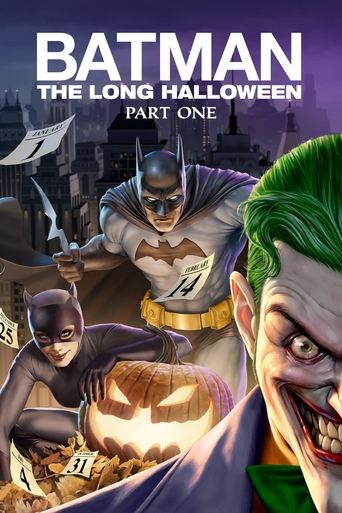
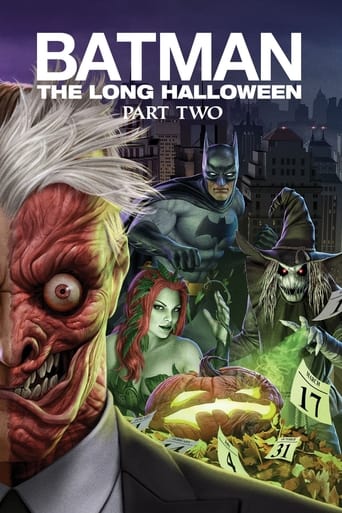
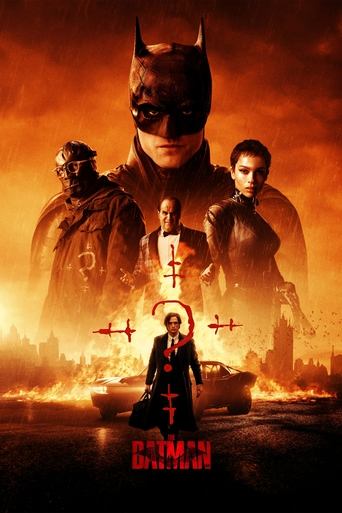
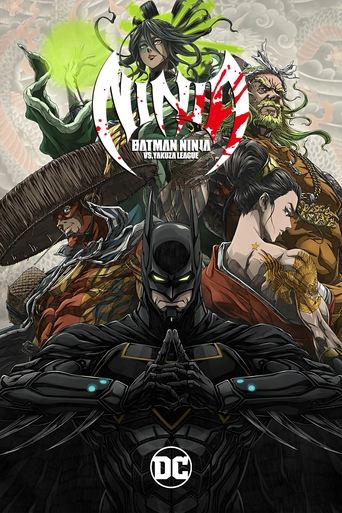
The Batman movies and shows in order cover one of the longest and most frequently reinvented superhero screen franchises. The story begins with the colorful 1960s television incarnation starring Adam West before expanding through early animation, Tim Burton and Joel Schumacher’s theatrical films, Batman: The Animated Series, Batman Beyond, Christopher Nolan’s Dark Knight trilogy, and numerous animated adaptations. Later eras introduced Ben Affleck’s Batman within the DC Extended Universe and Robert Pattinson’s younger detective in The Batman, whose world expands through The Penguin and The Batman: Part II. Animated projects such as Under the Red Hood, The Dark Knight Returns, Gotham by Gaslight, Batman Ninja, and The Long Halloween provide additional standalone interpretations rather than chapters in one shared timeline. For first-time viewers, release order is the recommended Batman watch order because it makes each new interpretation and continuity shift easier to understand.
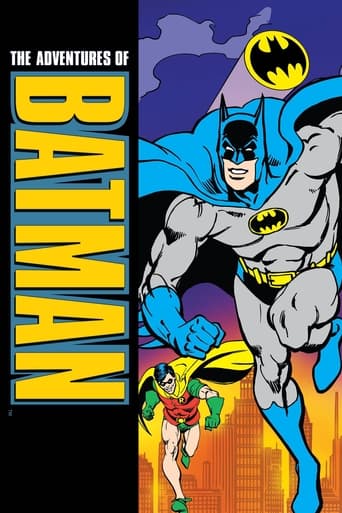
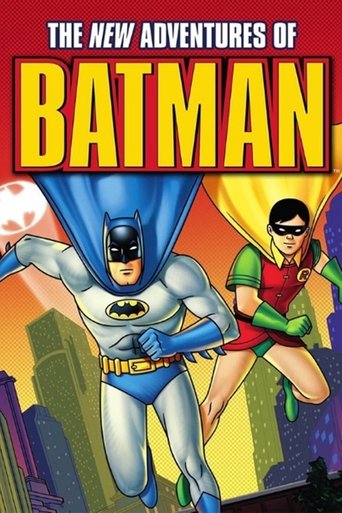
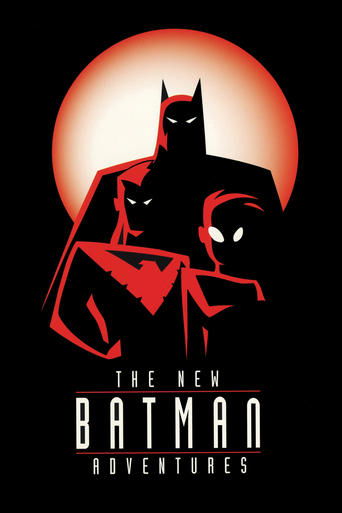
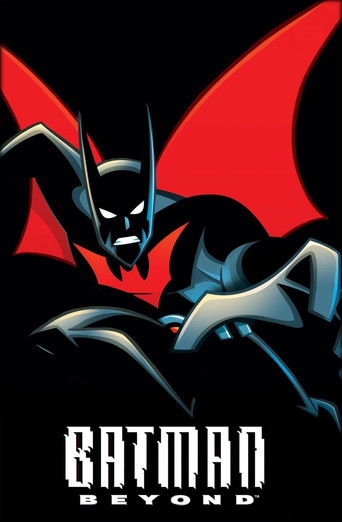
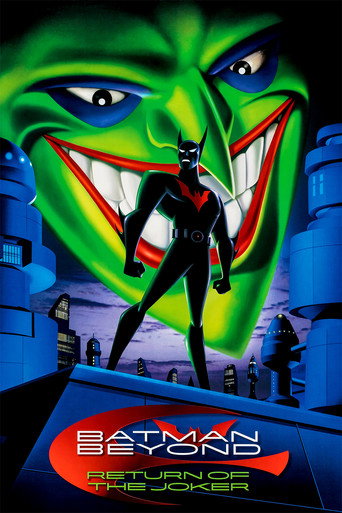
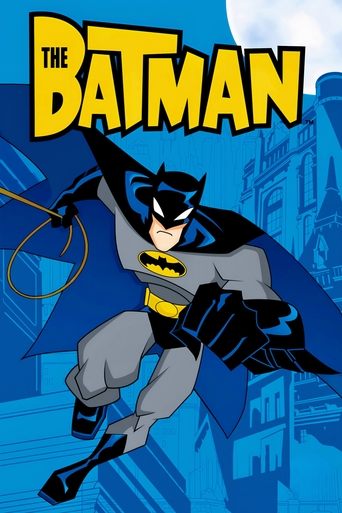
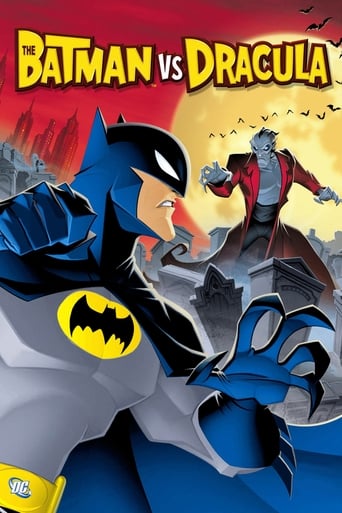
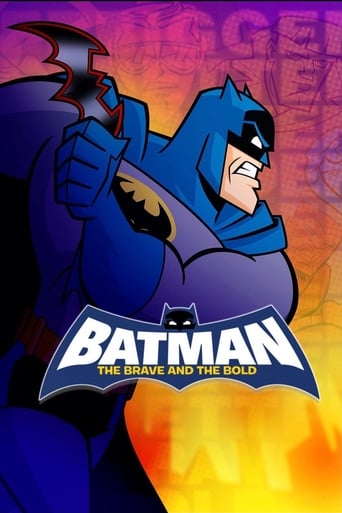
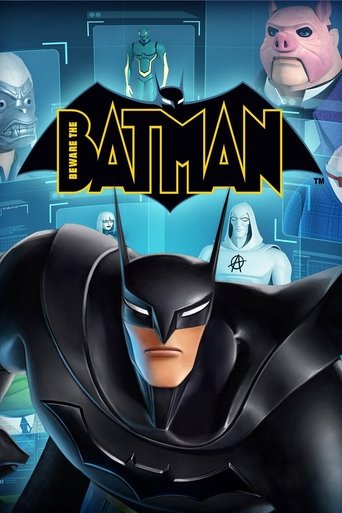
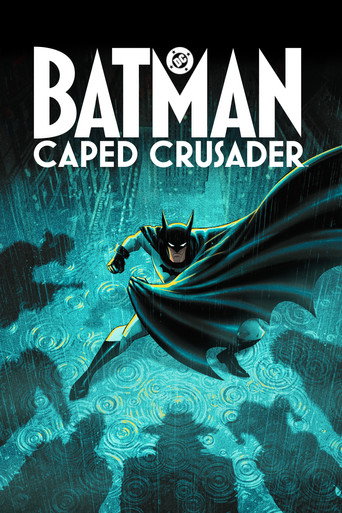
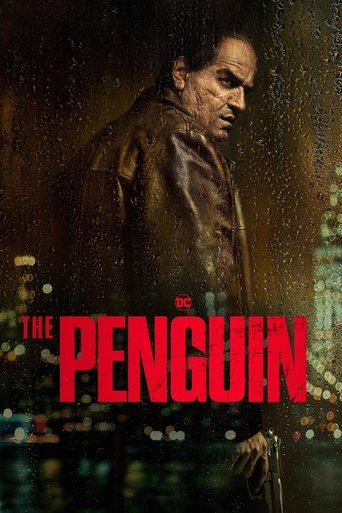
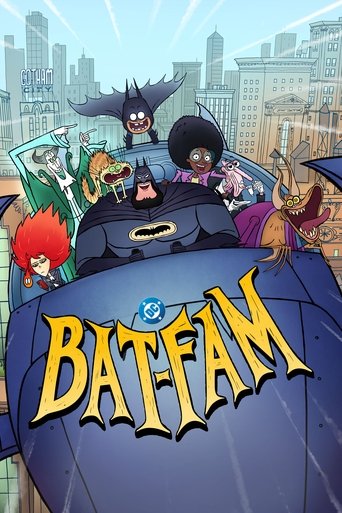
Television is equally important to Batman’s screen history. Batman: The Animated Series and The New Batman Adventures established a celebrated connected continuity that later leads into Batman Beyond, while The Batman, Batman: The Brave and the Bold, Beware the Batman, Gotham, and Batman: Caped Crusader each reimagine Gotham independently. The Penguin directly expands Matt Reeves’ Batman universe, while Merry Little Batman continues into Bat-Fam as its own family-focused animated continuity. Because these films and shows repeatedly reboot Bruce Wayne, his villains, and his supporting cast, there is no single chronological timeline connecting the entire franchise. Watching the Batman movies and shows in order by release date instead shows how the character has evolved across generations, filmmaking styles, animation eras, and alternate universes without incorrectly combining separate versions of Gotham into one story.
Release Order
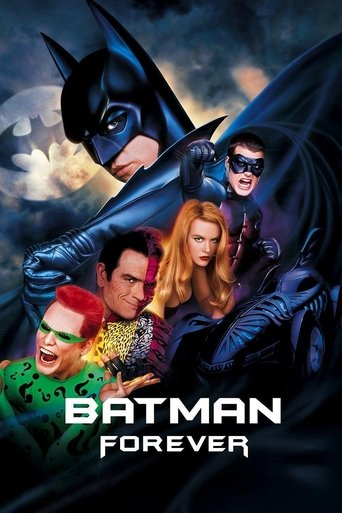
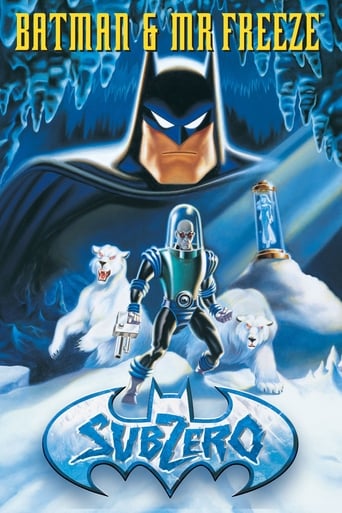
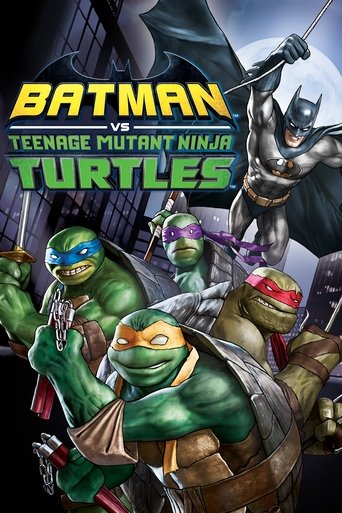
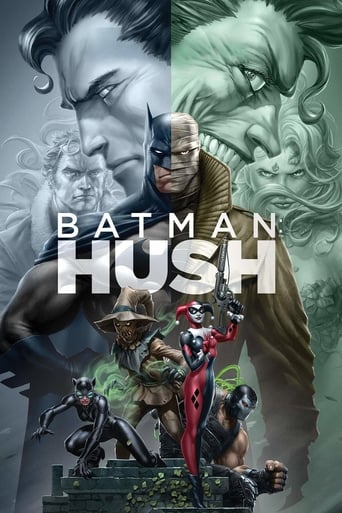
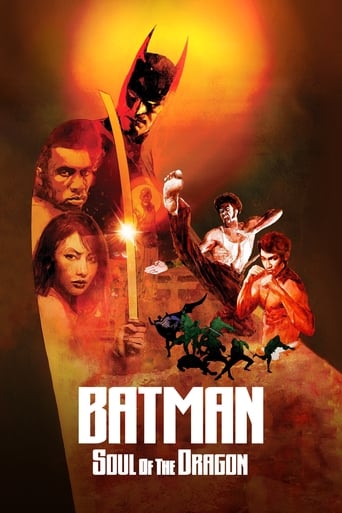
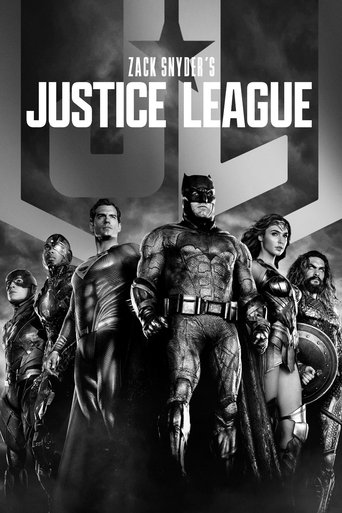
Watching the Batman movies and shows in release order is the most practical way to experience a franchise built around repeated reinvention. The sequence moves naturally from the Adam West era through Burton and Schumacher, the DC Animated Universe, Christopher Nolan’s trilogy, later animated adaptations, the DCEU, and Matt Reeves’ Batman universe. It also places major television interpretations in the period when audiences originally encountered them, making stylistic and continuity changes easier to recognize. Because many Batman projects exist in completely separate universes, release order avoids suggesting connections that were never intended while still providing a broad, practical journey through the Dark Knight’s screen history.




Chronological Order
There is no meaningful franchise-wide chronological order for the Batman movies and shows because the property contains numerous unrelated continuities, reboots, adaptations, and alternate universes. Adam West’s Batman, the Burton-Schumacher films, the DC Animated Universe, Nolan’s Dark Knight trilogy, Gotham, the DCEU, Matt Reeves’ Batman universe, and the many standalone animated films all establish different versions of Bruce Wayne and Gotham City. Individual continuities can be arranged internally, but combining all of them into one timeline would create a false chronology. Release order therefore functions as the clearest practical timeline for a complete Batman watch order and best preserves each interpretation’s intended context.


